" height="95px" id="BhNdQPPpj" width="189.99999789338028px"/></svg>)
Marriage
What Marriage Taught Me About Leading a Team
Jimmy Rollins
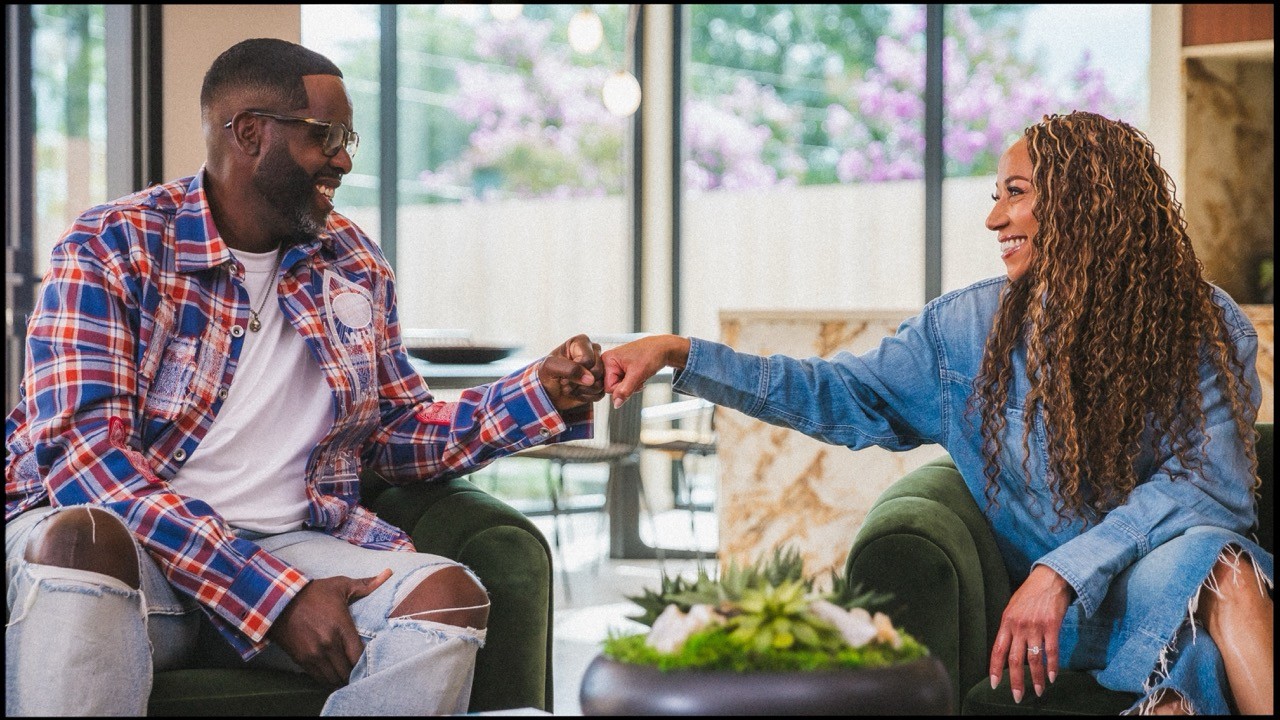
What Marriage Taught Me About Leading a Team
There's a moment in most relationships when you realize: the person you married sees the world completely differently than you do.
For some couples, that's a deal-breaker. For others, it's an awakening.
Irene and I hit that moment hard. We had to either learn how to navigate our differences or let them destroy us. And in that process of rebuilding, I discovered something that transformed my leadership: The exact skills that saved our marriage are the ones that build great teams.
The Marriage Crisis That Became a Leadership Masterclass
I don't talk about this easily, but I will: Irene and I nearly didn't make it. Our marriage was broken by addiction, betrayal, misalignment, and the years of damage that come when two people stop fighting for each other.
We were heading toward destruction. And we had two choices: Get professional help or get divorced.
We got help. And in those hard conversations with a therapist, in the work of understanding each other's wounds and needs, in the process of rebuilding trust, I learned something that changed how I lead.
The Parallel Between Healthy Marriage and Healthy Teams
In our book Two Equals One, Irene and I talk about seeing your spouse as your teammate and partner. You're not playing against each other. You're playing for each other.
That same principle is foundational to great teams.
Vulnerability is non-negotiable. In marriage, you can fake intimacy for only so long. Eventually, your partner figures out you're not really present. The same is true in teams. Leaders who present a perfect facade create teams that are terrified to be honest. Leaders who are willing to say 'I made a mistake' or 'I don't have the answer' create psychological safety. And in that safety, people bring their best work.
Clarity about expectations matters more than agreement. Irene and I don't agree on everything. Never have. But we're crystal clear about what we expect from each other and what matters most to us. In teams, I've learned that people would rather have difficult clarity than comfortable ambiguity. They'd rather know you expect excellence and disagree with your methods than wonder if they're doing the right thing.
Repair is a practice, not an event. No marriage survives without both people committing to repair. When you hurt your partner, you don't just say sorry and move on. You sit with what happened. You understand why it happened. You change the behavior. You do that again and again.
Teams need that same commitment. When someone makes a mistake, the question isn't how quickly we can move past it. It's what we learn and how we rebuild trust. I've built teams where repair is as important as achievement.
Diversity is your strength, not your problem. The differences between Irene and me that almost destroyed us are now what makes us strong. She sees things I miss. She challenges me in ways that make me better. She brings a perspective I need.
Great teams are the same way. The most innovative, resilient teams aren't filled with people who all think alike. They're filled with people from different backgrounds, with different perspectives, who've learned how to fight for common purposes while respecting their differences.
That's what Irene and I learned in Two Equals One: How to be one without erasing the two.
Practical Applications in Leadership
Model vulnerability. In your next team meeting, share something you got wrong. Talk about what you're learning. Give people permission to be human.
Fight for understanding before you fight for solutions. When there's conflict in your team, resist the urge to declare a winner and move on. Ask questions. Understand what's really happening. Often, the surface conflict isn't the real issue.
Build repair into your culture. When someone makes a mistake, create a process for understanding what happened and how you prevent it from happening again. Don't just move on.
Celebrate differences. Actively look for perspectives that challenge you. Recruit people who see things differently. Create space for those differences to strengthen your vision, not threaten it.
The Transformation
Rebuilding our marriage wasn't convenient. It was expensive, humbling, and required years of consistent work.
But it gave me something invaluable: A lived understanding of what it actually takes to build something strong with people who are different from you.
That understanding changed my leadership. It made me more human. It made my teams more resilient. It made my influence more real because it was rooted in actual relationship, not just positional authority.
Your Teams Are Marriages Too
You're not married to your team, but you are in covenant with them. They're showing up for your vision. They're bringing their time, their talent, their creativity.
That deserves the same commitment to relationship that a marriage does.
Start applying these principles: Be vulnerable. Get clear. Commit to repair. Fight for unity across difference.
Your teams will transform. And so will you.
Keep Reading
More Thoughts

Leadership
The Leadership Equation Nobody Talks About
The leaders who last aren't always the most talented—they're the most resilient. After 25 years in corporate, sports, and faith leadership, I've discovered this truth changes everything.

Leadership
Culture Isn't a Buzzword — It's a Blueprint
Organizational culture doesn't happen by accident. It's built intentionally, brick by brick, through values, decisions, and daily habits that reflect what you actually believe.
Leadership
Why Emotional Intelligence Is the Real Competitive Advantage
In leadership and relationships, your IQ gets you the job. Your EQ keeps you there, builds trust, and creates the environment where others thrive.
Ready to bring Jimmy in?
Tell us about your event and what your team needs. Jimmy's team will respond within 48 hours.