" height="95px" id="BhNdQPPpj" width="189.99999789338028px"/></svg>)
Marriage
The Power of a Rebuilt Foundation
Jimmy Rollins
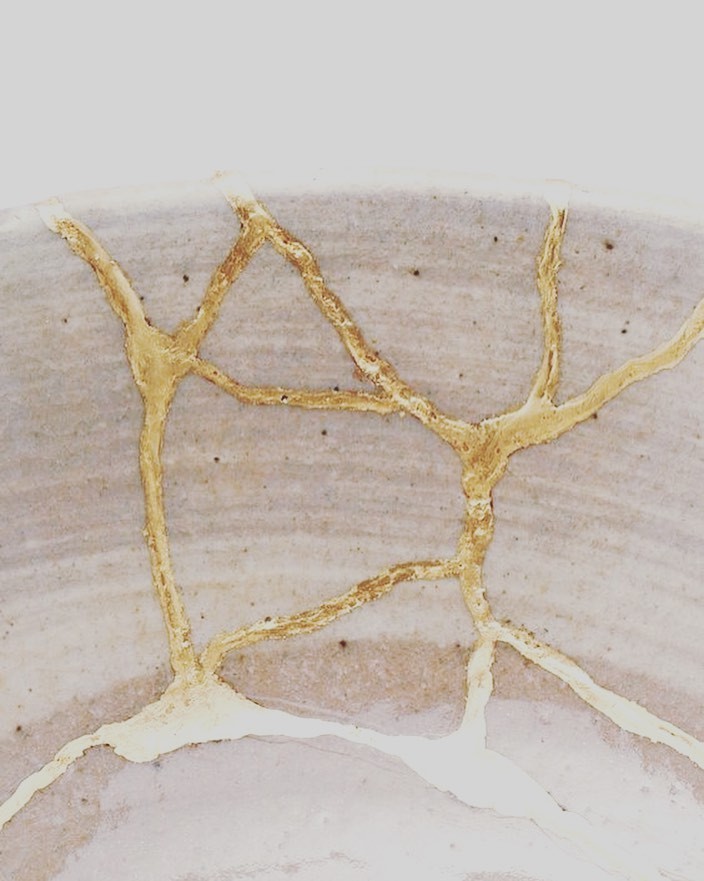
The Power of a Rebuilt Foundation
There's a moment I had to face that I don't talk about often. It's the moment when you realize your marriage—the most important relationship in your life—is built on a foundation that's crumbling.
For Irene and me, that moment came when addiction, betrayal, and years of disconnection nearly destroyed everything.
We could have walked away. Many couples do. And I wouldn't judge anyone for making that choice.
But we chose to rebuild. And in that rebuilding, I discovered something that changed everything I believe about pain, redemption, and what's actually possible when you're willing to do the hard work.
When Everything Falls Apart
I'm going to be honest about this: The brokenness wasn't just one thing. It was layers. Addiction. Infidelity. The ways we hurt each other to cope with our own pain. The years of silence about the things that mattered most.
From the outside, everything looked fine. I was building things. We had a beautiful life. But inside, we were suffocating.
And then one day, it all came to the surface. And there was nowhere to hide anymore.
That moment should have been the end. In many ways, it felt like the end. I remember thinking: This is it. This is the cost of my dysfunction. This is what I've built with the person I love most.
The Decision to Rebuild
Rebuilding didn't happen because we were heroes. It happened because we were desperate enough to be honest, humble enough to get help, and stubborn enough to believe that something better was possible.
We got into therapy. Not surface-level marriage counseling where we practiced communication techniques. Deep, painful therapy where we had to face what we'd done, why we'd done it, and what it meant about us.
That work lasted years. And it was the hardest thing either of us has ever done.
What Rebuilding Actually Takes
Radical honesty. You can't rebuild on lies. Irene and I had to tell each other things we'd been hiding for years. Things we were ashamed of. Things we thought would destroy everything. We had to get brutally honest about our needs, our fears, and the ways we'd hurt each other.
That honesty was excruciating. But it was also the foundation of everything that came after.
Genuine repentance. I had to get to a place where I wasn't just apologizing for getting caught. I had to understand what I'd done, why it was wrong, what it cost Irene, and I had to commit to being different. Not for show. For real.
Repentance isn't a single act. It's a sustained commitment to change. It's showing up differently again and again until the new way becomes who you are.
Forgiveness (which is harder than apology). Irene had to do something I'm not sure I could have done in her place: She had to decide to forgive. Not to forget, but to release the right to punish me, to hold it over my head, to let that betrayal define our future.
That forgiveness wasn't cheap grace. It was expensive grace. It came after countless tears, after sitting with the pain, after having to actively choose it again and again when her hurt wanted to resurface.
Building new rhythms. Once we'd begun the repair work, we had to build new ways of being together. New communication patterns. New ways of showing affection. New ways of handling conflict. We had to practice these new ways until they became natural.
We talk about this in Two Equals One—how to see your spouse as your teammate, how to communicate in ways that strengthen instead of wound, how to fight for unity instead of being right.
We didn't figure that out from a book. We figured it out in the trenches of rebuilding.
What We Gained From Rebuilding
I won't lie: The marriage Irene and I have now isn't the one we had before the crisis. In some ways, it's better. In some ways, it's different. But it's real in ways the first one wasn't.
We know each other now. Not just surface knowledge, but the kind of knowing that comes from being completely vulnerable with another person. We've been to the bottom together, and we've come back together.
That creates a bond that can't be manufactured or rushed.
More than that, our story became real in a way it wasn't before. When I talk to leaders about resilience, about repair, about building cultures of humility, I'm not speaking theory. I'm speaking from the crater of our own failure. And that credibility changes everything.
Your Rebuilt Foundation
I share our story because I know there are people reading this whose foundations are crumbling. Maybe it's a marriage. Maybe it's your relationship with your kids. Maybe it's a partnership you've poured years into.
And you're standing at the same crossroads we stood at: Do you walk away, or do you rebuild?
I can't answer that for you. But I can tell you this: If you choose to rebuild, it will be the hardest thing you do. It will cost you. It will require vulnerability you didn't think you were capable of.
And it might just be the most transformative experience of your life.
Start here:
1. Get honest about what's actually broken. Not the surface issue. The real foundation problem.
2. Get professional help. Don't try to rebuild alone. Find a therapist, a pastor, a counselor who can help you see clearly.
3. Commit to the long game. Rebuilding takes time. Years, not months. Don't expect quick fixes.
4. Let others in. Build a community that knows your story and walks with you. Isolation kills rebuilding efforts.
Our greatest testimony often comes from our deepest pain. When you rebuild, you don't get back to what was. You become something stronger.
That's the power of a rebuilt foundation.
Keep Reading
More Thoughts

Leadership
The Leadership Equation Nobody Talks About
The leaders who last aren't always the most talented—they're the most resilient. After 25 years in corporate, sports, and faith leadership, I've discovered this truth changes everything.

Leadership
Culture Isn't a Buzzword — It's a Blueprint
Organizational culture doesn't happen by accident. It's built intentionally, brick by brick, through values, decisions, and daily habits that reflect what you actually believe.
Leadership
Why Emotional Intelligence Is the Real Competitive Advantage
In leadership and relationships, your IQ gets you the job. Your EQ keeps you there, builds trust, and creates the environment where others thrive.
Ready to bring Jimmy in?
Tell us about your event and what your team needs. Jimmy's team will respond within 48 hours.